Published by Settle in Abroad – Your Relocation Experts in Thailand
Thailand and the Philippines are two popular destinations for foreigners considering a move to Southeast Asia. At first glance, they have a lot in common: tropical weather, beautiful beaches, busy cities, friendly communities, and a relatively affordable cost of living compared with many Western countries.
But if you're planning to work remotely or settle abroad for several years, there are some practical differences worth considering.
From internet connectivity to long-term visa options, the details can make a big difference to your everyday life.
Let's look at how the two countries compare.

Internet Connectivity: Can You Work Remotely?
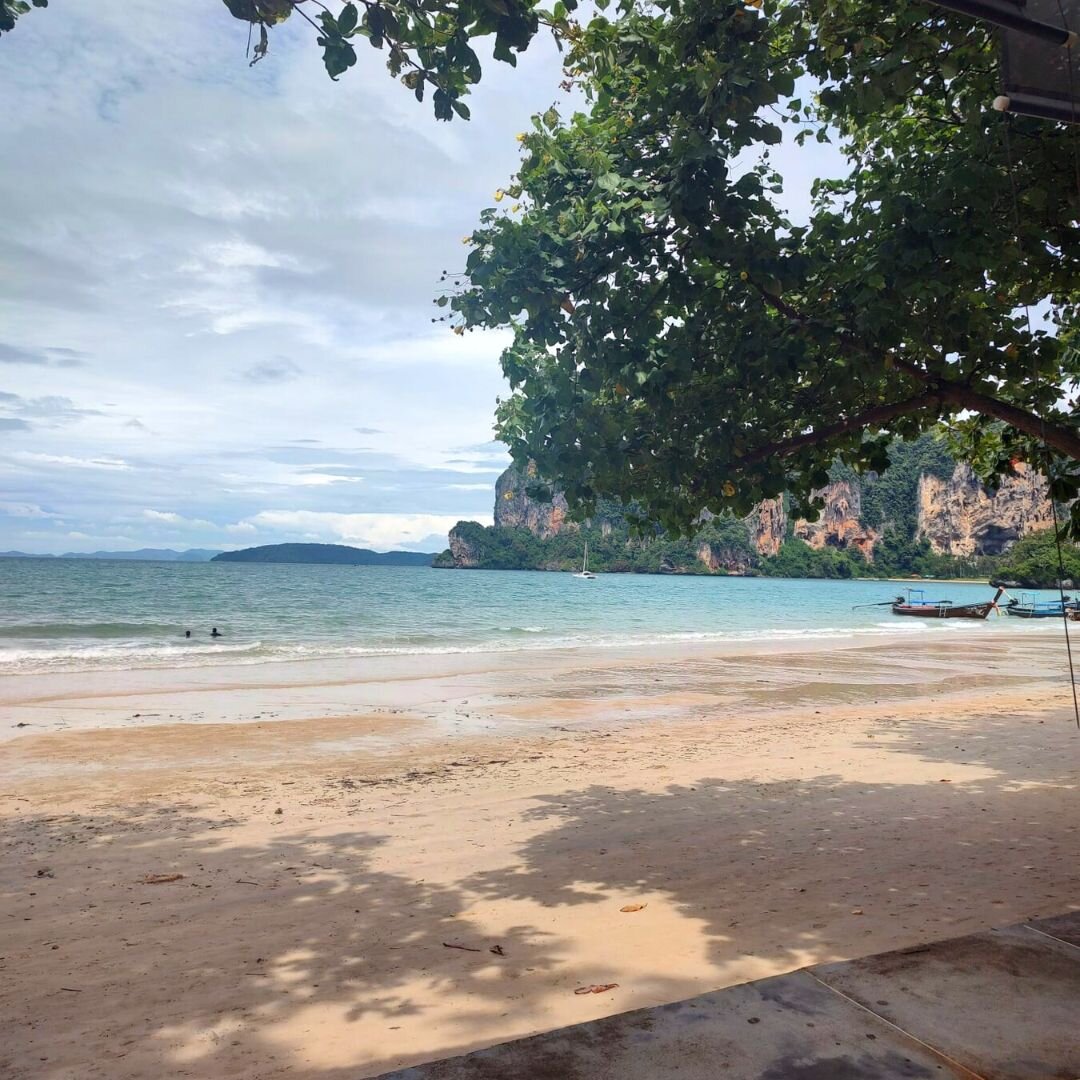
Imagine finishing work for the day, closing your laptop, and heading straight to the beach. In Thailand, this is possible in destinations such as Koh Samui, Phuket, and Koh Phangan.
Thailand has well-developed internet infrastructure in its main cities and many popular island destinations. Fibre connections and mobile data are widely available, and you'll find coworking spaces and cafés catering to people who work remotely.
The Philippines also has good internet options, particularly in major cities such as Manila and Cebu. Hotels, coworking spaces, and many residential areas offer reliable connections.
However, connectivity can become less predictable when travelling to smaller islands or more remote locations. Infrastructure varies considerably depending on the area and provider.
For remote workers, checking internet availability before choosing a location is essential in either country. If you rely on video calls, large file transfers, or running an online business, it's worth checking the actual connection at your accommodation rather than assuming it will be reliable.

Visa Options: Staying Long-Term
Visa requirements are another important part of deciding where to relocate. Both countries offer ways to stay beyond a typical holiday, but the available options and eligibility requirements differ.
Thailand
Thailand offers a range of visa categories for people with different reasons for staying long-term, including:
Destination Thailand Visa (DTV): Designed for eligible remote workers, freelancers, and people participating in certain Thai soft power activities.
Long-Term Resident (LTR) Visa: A 10-year visa for qualifying groups, including certain remote professionals, retirees, and wealthy individuals.
Retirement Visas: Options for eligible applicants aged 50 and over.
Business and Work Visas: For people working or conducting qualifying business activities in Thailand.
Education Visas: For eligible study and training programmes.
Family and Dependent Visas: For qualifying family members of certain visa holders.
The right option depends on your circumstances, financial situation, and plans for living in Thailand.
The Philippines
The Philippines also offers several routes for longer stays.
Many nationalities can enter as tourists and apply for extensions, potentially allowing them to remain in the country for an extended period. There are also options for people planning to work, study, or retire.
One notable option is the Special Resident Retiree's Visa (SRRV), which is administered through the Philippine Retirement Authority and provides qualifying applicants with long-term residence privileges.
The Philippines can therefore be a suitable option for retirees and people who prefer to extend their stay without immediately committing to another type of visa.
The main difference is that Thailand offers a wider range of dedicated visa categories for different long-term living arrangements. However, both countries have options worth exploring depending on your circumstances.
Which Country Is Right for You?
There is no universal answer. Both Thailand and the Philippines offer opportunities for people who want to experience life in Southeast Asia.
The Philippines may appeal to those who enjoy island living, want to spend time in an English-speaking environment, or prefer the option of extending their tourist stay.
Thailand may be a better fit if you're looking for established infrastructure, reliable connectivity in popular residential areas, and a wider selection of long-term visa options.
Ultimately, the best choice depends on your lifestyle, priorities, and long-term plans.
And remember, choosing one country doesn't mean you have to miss out on the others. One of the advantages of living in Southeast Asia is having so many different countries, cultures, and destinations within relatively easy reach.
A little research before making your move can help you find the place that fits the life you want to build.